
Baking Soda Pool Chart
Baking Soda Pool Chart - There are many reasons to use baking soda in your pool to keep your water clean, clear, and safe for swimmers. This should raise the alkalinity by about 10ppm (parts per million). Start by adding half of the required amount of baking soda. Web the optimal ph level is between 7.2 and 7.8, and the ideal alkalinity range is between 100 and 150 parts per million. Regular use of the bbb method helps maintain clear and safe pool water while minimizing the need for expensive pool chemicals. Web a good approximation is the shallow end depth plus the deep end depth divided by two. Soda ash, baking soda, or ph increaser. It can also be used to clean surfaces and soften the water, but there are better alternatives. Web you can add baking soda to your swimming pool to improve water clarity, decrease algae buildup, reduce corrosion, and more. To lower it, you’ll use muriatic acid or sodium bisulfate. If your alkalinity level is lower than 80 ppm, you need to raise it. Web baking soda in pool is the cheapest and most effective ways to treat your swimming pool water. Web we discuss the steps below. Sodium hydroxide (lye), sodium carbonate (soda ash), sodium bicarbonate (baking soda). Web the optimal ph level is between 7.2 and 7.8, and the ideal alkalinity range is between 100 and 150 parts per million. Web enter the existing total alkalinity (ta) level and the pool water volume (gallons) to get the baking soda dose (oz) to bring the ta level to a healthy 100 ppm. Along with chlorine, baking soda is an important part of your pool maintenance routine. Web as a rule of thumb, use 1.5 pounds (680 grams) of baking soda per 10,000 gallons (37,854 liters) of pool water. 1.5 pounds of baking soda per 10,000 gallons of water raises alkalinity by approximately 10 ppm. Or you can use the chart below. Web you can add baking soda to your swimming pool to improve water clarity, decrease algae buildup, reduce corrosion, and more. Web we discuss the steps below. This is the ultimate guide to keeping your pool sparkling clean throughout the year. If you’re not sure how much water your pool holds, check out our pool calculator. Here's how to use. Microorganisms transmitted to pool water by bathers, dust, wind and surface drainage. Web you can add baking soda to your swimming pool to improve water clarity, decrease algae buildup, reduce corrosion, and more. This should raise the alkalinity by about 10ppm (parts per million). (the calculator assumes a ph of 7.5) pool baking soda. Arm & hammer™ baking soda resealable. Web adding baking soda to your pool raises the ph level, keeping the water clean and safe to swim in. Arm & hammer™ baking soda resealable pouch. Baking soda, or sodium bicarbonate, is mainly used to raise the total alkalinity in a pool, which stabilizes the ph level. If your alkalinity level is lower than 80 ppm, you need to. Web a baking soda scrub can brighten furniture, tiles, steps, and grout around your pool, but it cannot replace chlorine or other chemicals that make the water clean. Determine how much baking soda to add. Why is it important to know the correct amount of baking soda for your pool? During the swimming pool season, measure the ph & alkalinity. During the swimming pool season, measure the ph & alkalinity and add arm & hammer baking soda as indicated below: Web what is baking soda, and how does it affect pool water chemistry? Web using baking soda (sodium bicarbonate) to lift your swimming pool alkalinity? If you do the test and notice that it is below 80 ppm, you can. Web the optimal ph level is between 7.2 and 7.8, and the ideal alkalinity range is between 100 and 150 parts per million. Microorganisms transmitted to pool water by bathers, dust, wind and surface drainage. This should raise the alkalinity by about 10ppm (parts per million). Refer to a baking soda dosage chart to determine the amount of baking soda. Along with chlorine, baking soda is an important part of your pool maintenance routine. Web what is baking soda, and how does it affect pool water chemistry? Web a good approximation is the shallow end depth plus the deep end depth divided by two. Web enter the existing total alkalinity (ta) level and the pool water volume (gallons) to get. Many can grow and spread in recirculated water. Web using baking soda (sodium bicarbonate) to lift your swimming pool alkalinity? Web we discuss the steps below. Web to raise your alkalinity levels, you’ll add sodium bicarbonate (baking soda) to your pool water. Web enter the existing total alkalinity (ta) level and the pool water volume (gallons) to get the baking. The amount you add will depend on a few factors, such as the alkalinity of the water, the pool's volume, and even what temperature the water is. Make pool maintenance a breeze this summer by balancing your pool ph & alkalinity levels with arm & hammer™ baking soda. Yep, there are also other household products you can use to clean. This should raise the alkalinity by about 10ppm (parts per million). Regular use of the bbb method helps maintain clear and safe pool water while minimizing the need for expensive pool chemicals. See the chart below for some comparisons between things that are acidic on one end of the scale and alkaline on the other. Arm & hammer™ baking soda. If you’re not sure how much water your pool holds, check out our pool calculator. Start by adding half of the required amount of baking soda. Make pool maintenance a breeze this summer by balancing your pool ph & alkalinity levels with arm & hammer™ baking soda. If your alkalinity level is lower than 80 ppm, you need to raise it. Determine how much baking soda to add. However, baking soda can be used to stabilize the ph levels in your pool. Web to raise your alkalinity levels, you’ll add sodium bicarbonate (baking soda) to your pool water. See the chart below for some comparisons between things that are acidic on one end of the scale and alkaline on the other. The amount you add will depend on a few factors, such as the alkalinity of the water, the pool's volume, and even what temperature the water is. Web as a rule of thumb, use 1.5 pounds (680 grams) of baking soda per 10,000 gallons (37,854 liters) of pool water. Web a baking soda scrub can brighten furniture, tiles, steps, and grout around your pool, but it cannot replace chlorine or other chemicals that make the water clean. Help remove green, blue, or yellow algae, clear a cloudy pool, prevent and contain corrosion, and stop the buildup of scale in the pool water. Use this calculator to find out exactly how much you need to add! Along with chlorine, baking soda is an important part of your pool maintenance routine. During the swimming pool season, measure the ph & alkalinity and add arm & hammer baking soda as indicated below: To lower it, you’ll use muriatic acid or sodium bisulfate.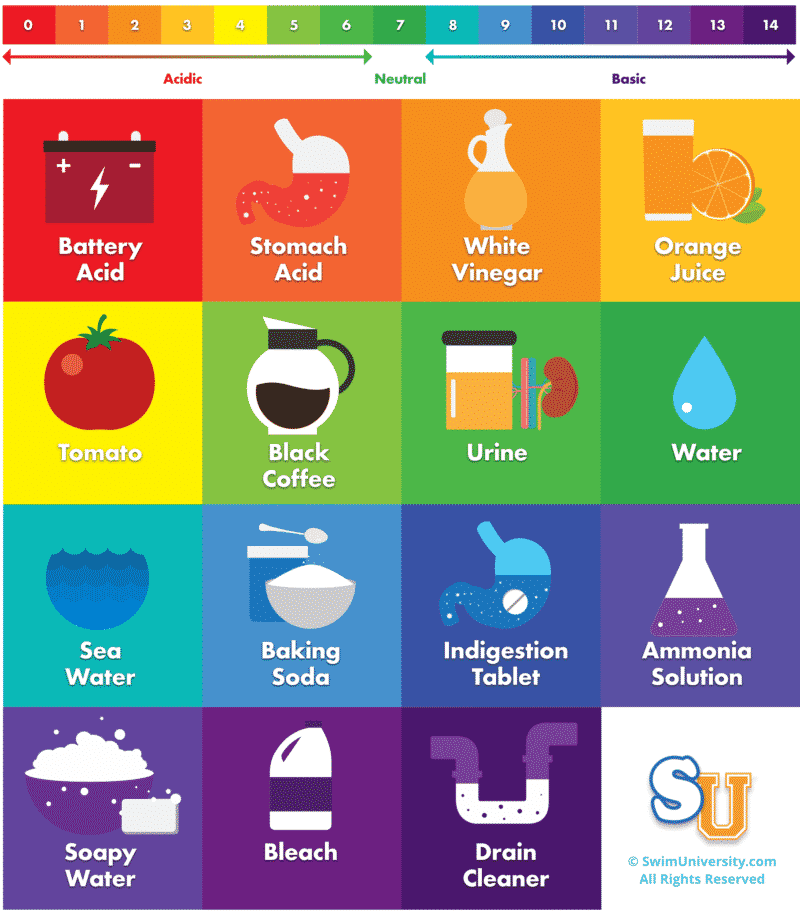
Top 9 How Long To Wait After Adding Baking Soda To Pool

Arm And Hammer Baking Soda Pool Chart sportcarima
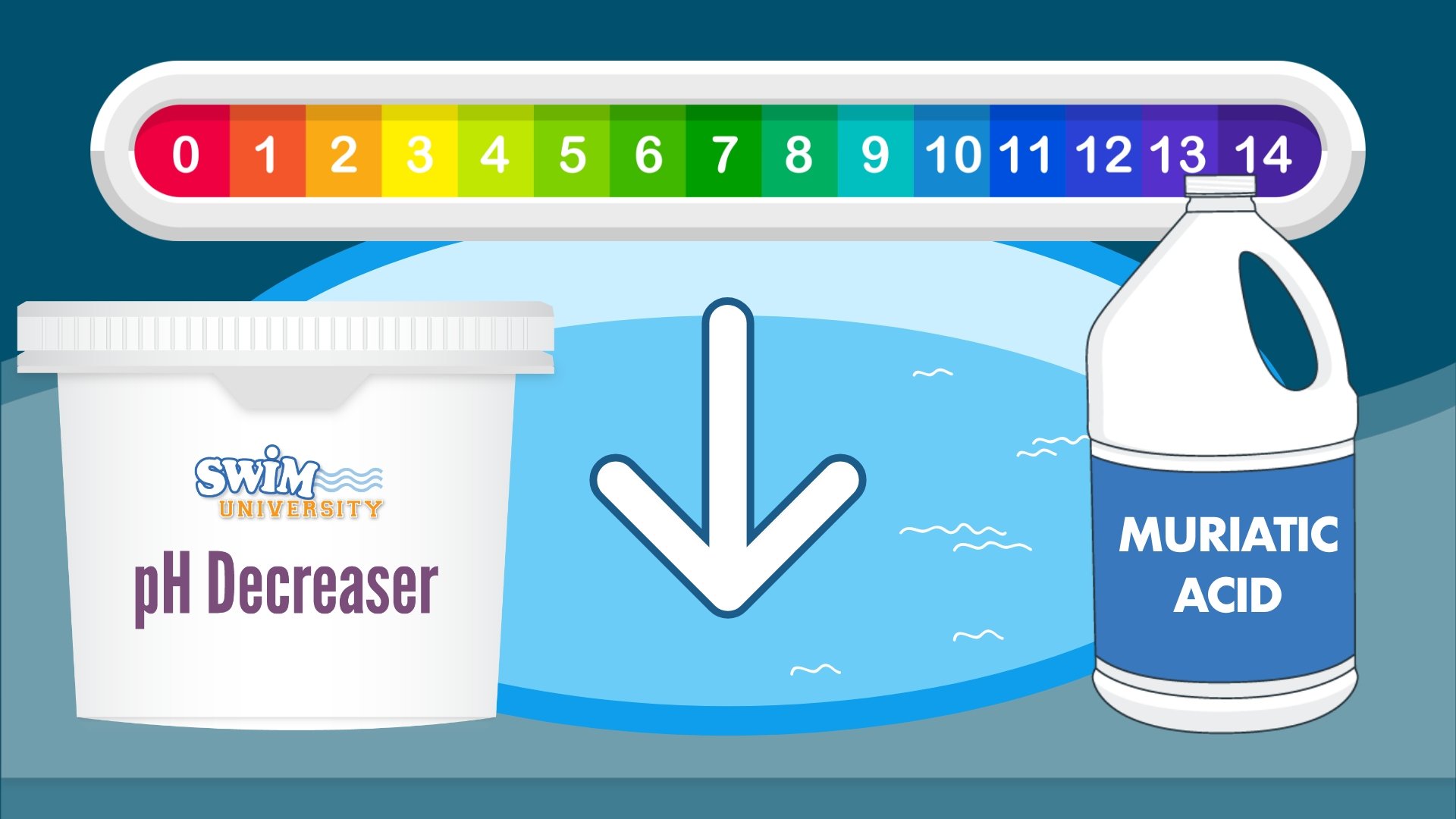
22+ Baking Soda Pool Calculator SavioMadaleine
Baking Soda Pool pH Calculator The Ultimate Guide Calculator Services
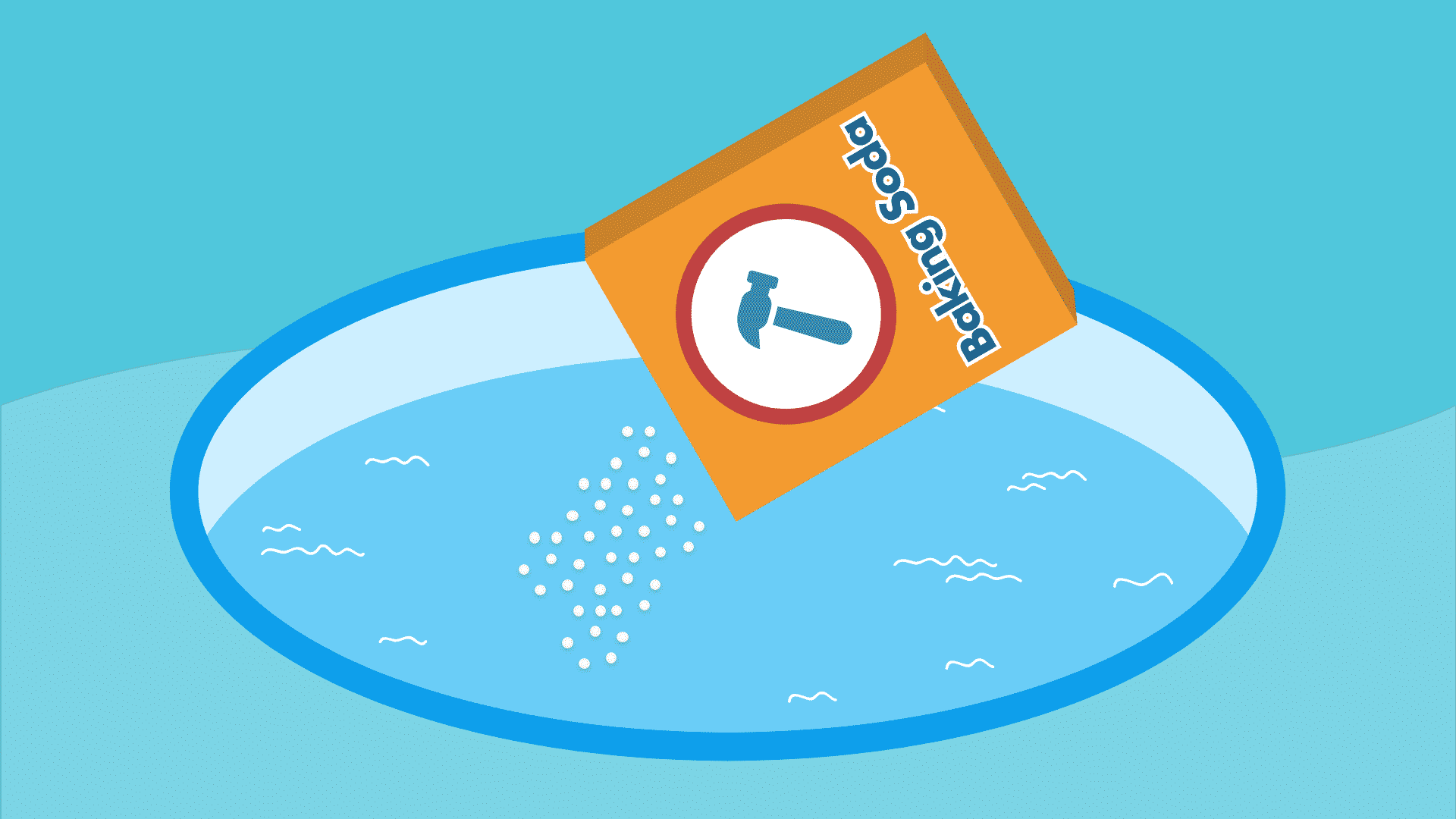
How To Raise Your Pool's Alkalinity with Baking Soda

Arm And Hammer Baking Soda Pool Chart sportcarima
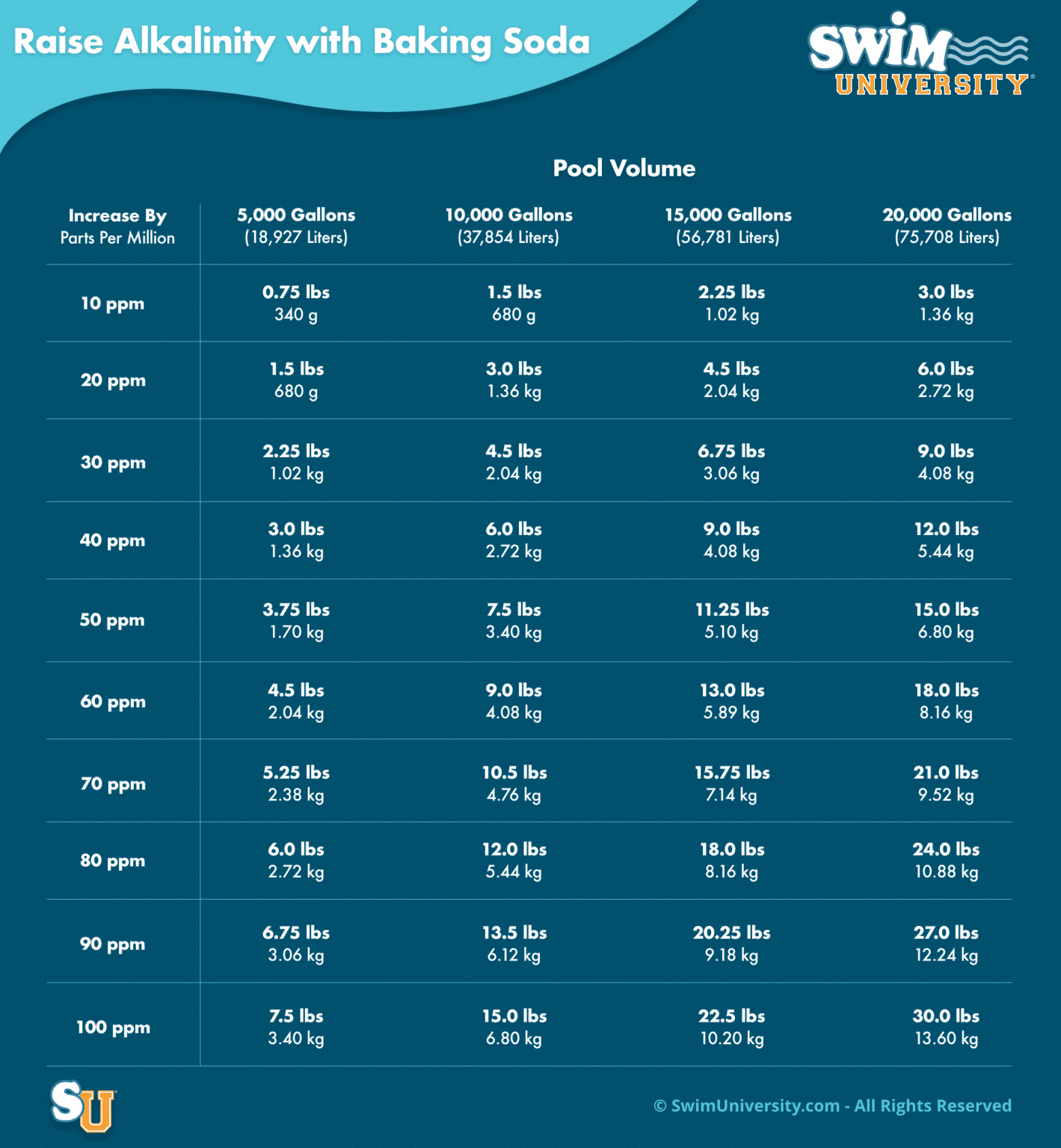
How To Raise Your Pool's Alkalinity with Baking Soda

How To Add Baking Soda To Pool

Top 10 Best pool baking soda Reviews Chef's Resource

Pin by Jason Miner on Pool Baking soda, 10 things, Periodic table
Adding Baking Soda Will Also Raise Your Ph.
Web While Baking Soda Has Benefits To Your Salt Water Pool When Required, There Are A Few Considerations To Think About.
Refer To A Baking Soda Dosage Chart To Determine The Amount Of Baking Soda Required For Your Pool Size.
Irregularly Shaped Pools Can Be Approximated By Estimating The Average Length And Width And Using Rectangular.
Related Post: