
Brake Lining Thickness Chart
Brake Lining Thickness Chart - So why are there 2 different types of linings available and which one is. Most manufacturers and mechanics will all agree that you should probably replace your brake pads once they wear down to 3mm. Web in this guide, you’ll learn: Most modern brake pads have little metal tabs set to contact. Continuous use with thin friction material. 5.1 a normal friction coefficient over.25 based on the average of five tests. Web ideally, your brake pads should be thicker than 6.4 mm (¼ inches) for proper functioning. If it’s thinner than this, consider getting a replacement soon. Web a new brake pad will be around 10mm thick. If the brake pad is at or below this. Web minimum brake pad thickness. Web an acceptable front or rear brake lining thickness is anywhere between the standard 12 millimeter thickness when the break pads are new and 3 millimeter. 5.2 a hot friction coefficient over. 5.1 a normal friction coefficient over.25 based on the average of five tests. Most modern brake pads have little metal tabs set to contact. Web learn the importance of brake pad thickness with our comprehensive chart. If it’s thinner than this, consider getting a replacement soon. Most manufacturers and mechanics will all agree that you should probably replace your brake pads once they wear down to 3mm. Web three main types of brake pads are available on the market today: However, most car mechanics recommend replacing them when only 20 percent of the thickness. The brake pads will eventually wear out regardless of the type of car you drive, the engine. Gather the necessary tools and materials. Apply the handbrake, then jack up the front of the car and support it securely on axle stands. Most manufacturers and mechanics will all agree that you should probably replace your brake pads once they wear down. Web a new brake pad will be around 10mm thick. Web in this guide, you’ll learn: This initial thickness is essential for providing the. So why are there 2 different types of linings available and which one is. Most modern brake pads have little metal tabs set to contact. Enhance vehicle safety, extend pad lifespan, and prevent brake system damage. Not only will we look at the thickness when the brake pads are new, but also cover. Web in short, brake pad thickness is crucial to keep an eye on. Web checking your front brake pad thickness and disc wear. Web an acceptable front or rear brake lining thickness. However, most car mechanics recommend replacing them when only 20 percent of the thickness. Web three main types of brake pads are available on the market today: Apply the handbrake, then jack up the front of the car and support it securely on axle stands. Why you should check brake pad thickness. Mechanics recommend replacing brake pads when their thickness. 5.2 a hot friction coefficient over. This set of 8 gauges allows mechanics to identify if brakes are still good. Gather the necessary tools and materials. Web a new brake pad will be around 10mm thick. After reading this article, you’ll understand what thickness new pads start at, when you should replace them, what the. Look up the recommended minimum thickness for the brake pads. Mechanics recommend replacing brake pads when their thickness falls between 6.4 mm and 3.2 mm. A simple way to check your brake pads. Web an acceptable front or rear brake lining thickness is anywhere between the standard 12 millimeter thickness when the break pads are new and 3 millimeter. Web. Apply the handbrake, then jack up the front of the car and support it securely on axle stands. Web a new brake pad will be around 10mm thick. Web compare the measurement to the manufacturer’s specifications or the brake pad thickness chart. Gather the necessary tools and materials. After reading this article, you’ll understand what thickness new pads start at,. Continuous use with thin friction material. Why you should check brake pad thickness. Web ideally, your brake pads should be thicker than 6.4 mm (¼ inches) for proper functioning. This set of 8 gauges allows mechanics to identify if brakes are still good. This initial thickness is essential for providing the. This initial thickness is essential for providing the. How often you should check your brake pads. Web three main types of brake pads are available on the market today: Web in this guide, you’ll learn: 5.1 a normal friction coefficient over.25 based on the average of five tests. Continuous use with thin friction material. Web when you have to brake hard, if there is a deep whooshing or groaning sound, that’s a sign your pads are getting low. Enhance vehicle safety, extend pad lifespan, and prevent brake system damage. Web minimum brake pad thickness. This set of 8 gauges allows mechanics to identify if brakes are still good. Web when you have to brake hard, if there is a deep whooshing or groaning sound, that’s a sign your pads are getting low. Not only will we look at the thickness when the brake pads are new, but also cover. How often you should check your brake pads. If the brake pad is at or below this. After reading this article, you’ll understand what thickness new pads start at, when you should replace them, what the. Web a new brake pad will be around 10mm thick. Web in this guide, we cover every brake pad measurement you need to know. Web monitoring pad thickness remaining, is key. Web ideally, your brake pads should be thicker than 6.4 mm (¼ inches) for proper functioning. Gather the necessary tools and materials. Continuous use with thin friction material. In this simple guide, i’ll explain brake pads’ minimum, new, and ideal thicknesses. Web checking your front brake pad thickness and disc wear. Web when you visit a professional technician, your brake pads will be checked for thickness using a special brake lining thickness gauge. Why you should check brake pad thickness. However, most car mechanics recommend replacing them when only 20 percent of the thickness.
Brake Lining Thickness Chart A Visual Reference of Charts Chart Master

Minimum Rotor Thickness Honda Odyssey / Repair Guides Measure the
5713186 Rome Brake Shoe Wall Chart 818 Brake Mechanical Engineering

Brake Lining Thickness Chart

Brake Shoe Thickness Chart A Comprehensive Guide For 2023 HN Notify

Brake Lining Thickness Chart
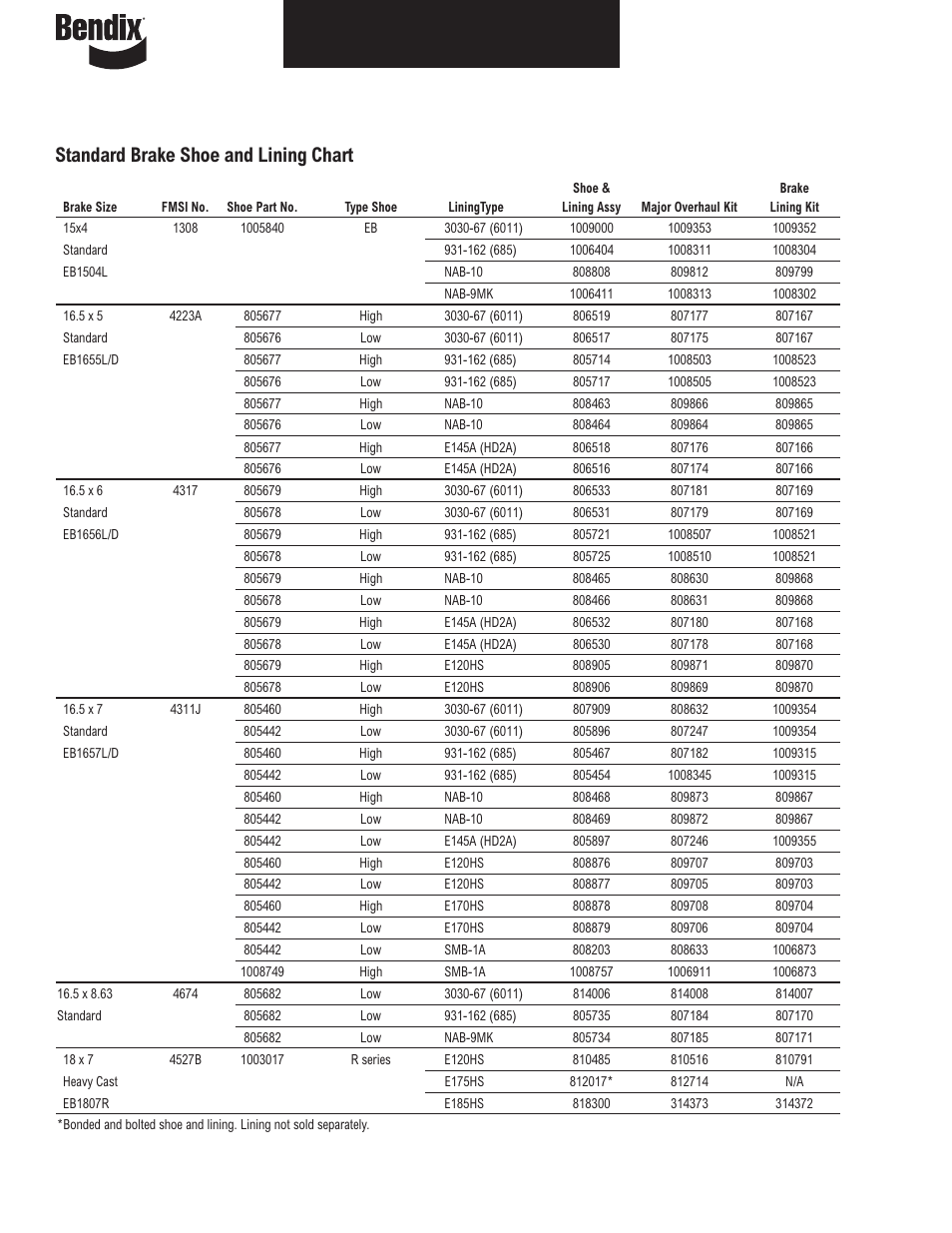
Brake Pad Identification Chart A Visual Reference of Charts Chart Master

Brake Shoe Thickness Chart
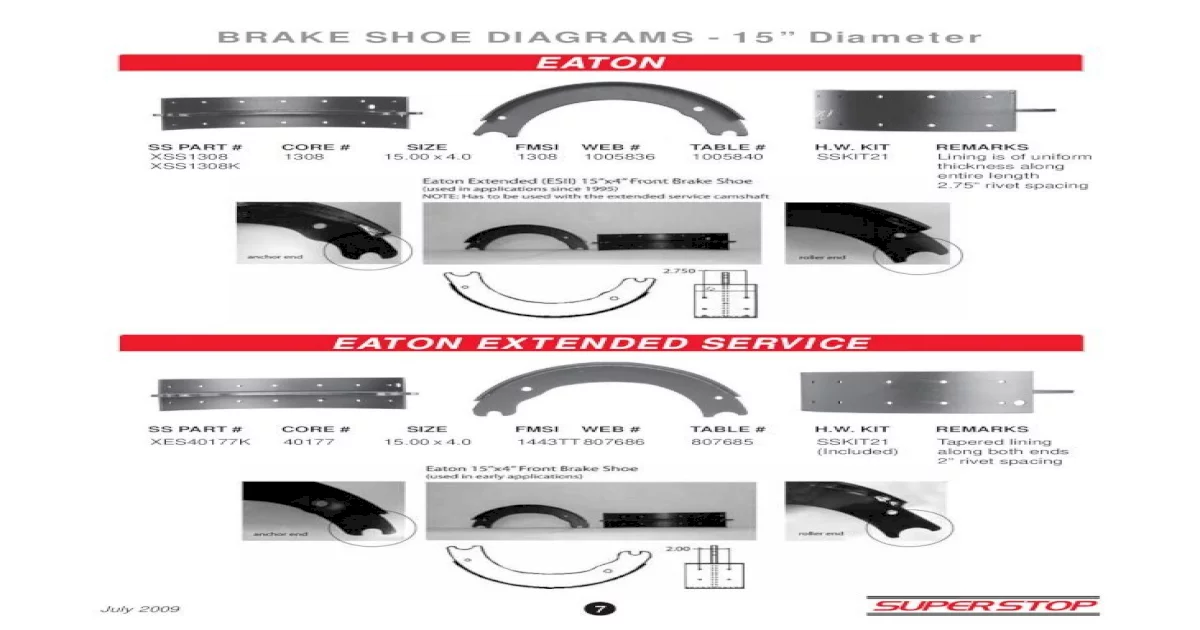
Brake Shoe Thickness Chart
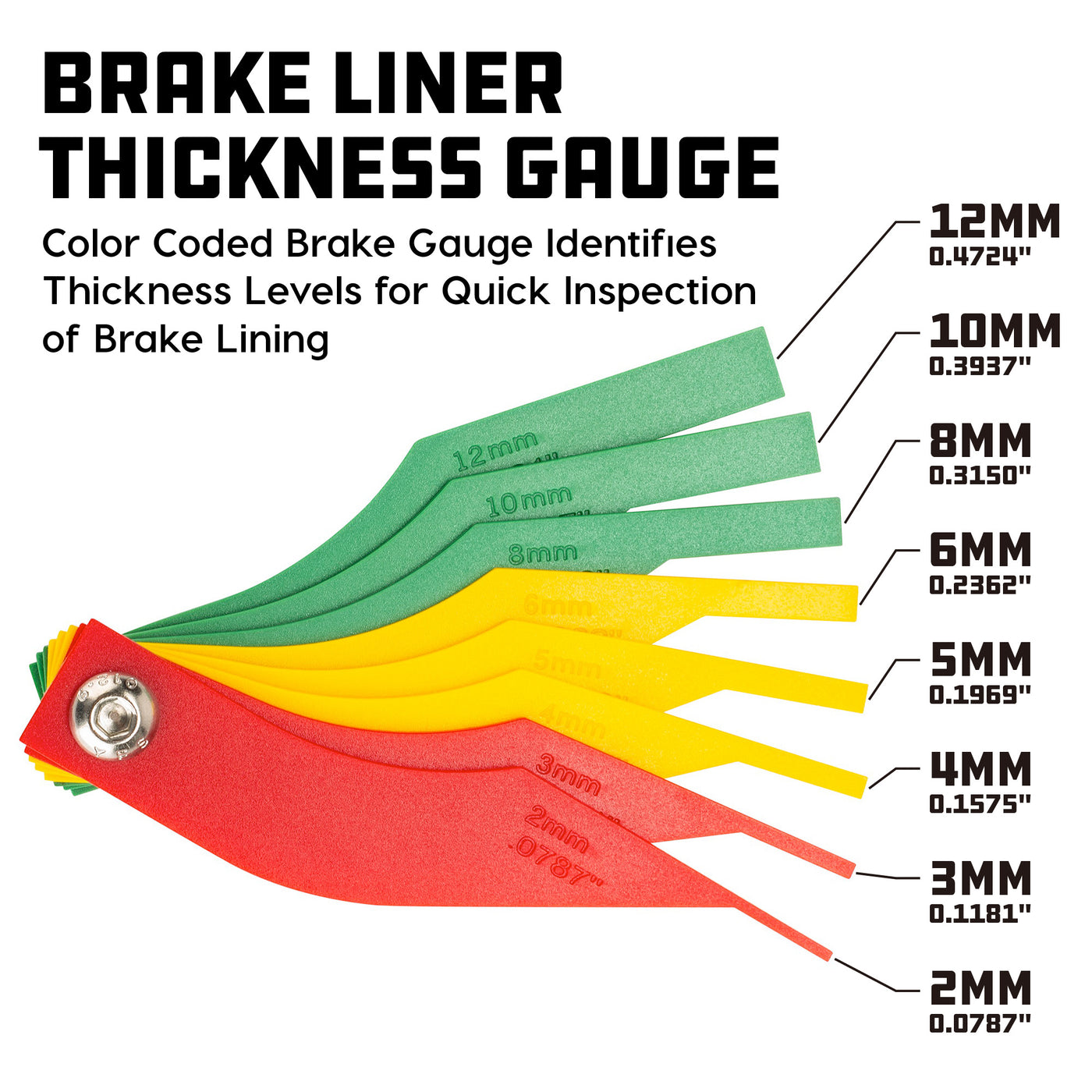
Brake Lining Thickness Gauge
Enhance Vehicle Safety, Extend Pad Lifespan, And Prevent Brake System Damage.
A Simple Way To Check Your Brake Pads.
Web Three Main Types Of Brake Pads Are Available On The Market Today:
5.2 A Hot Friction Coefficient Over.
Related Post:
