
Dental X Ray Radiation Dose Chart
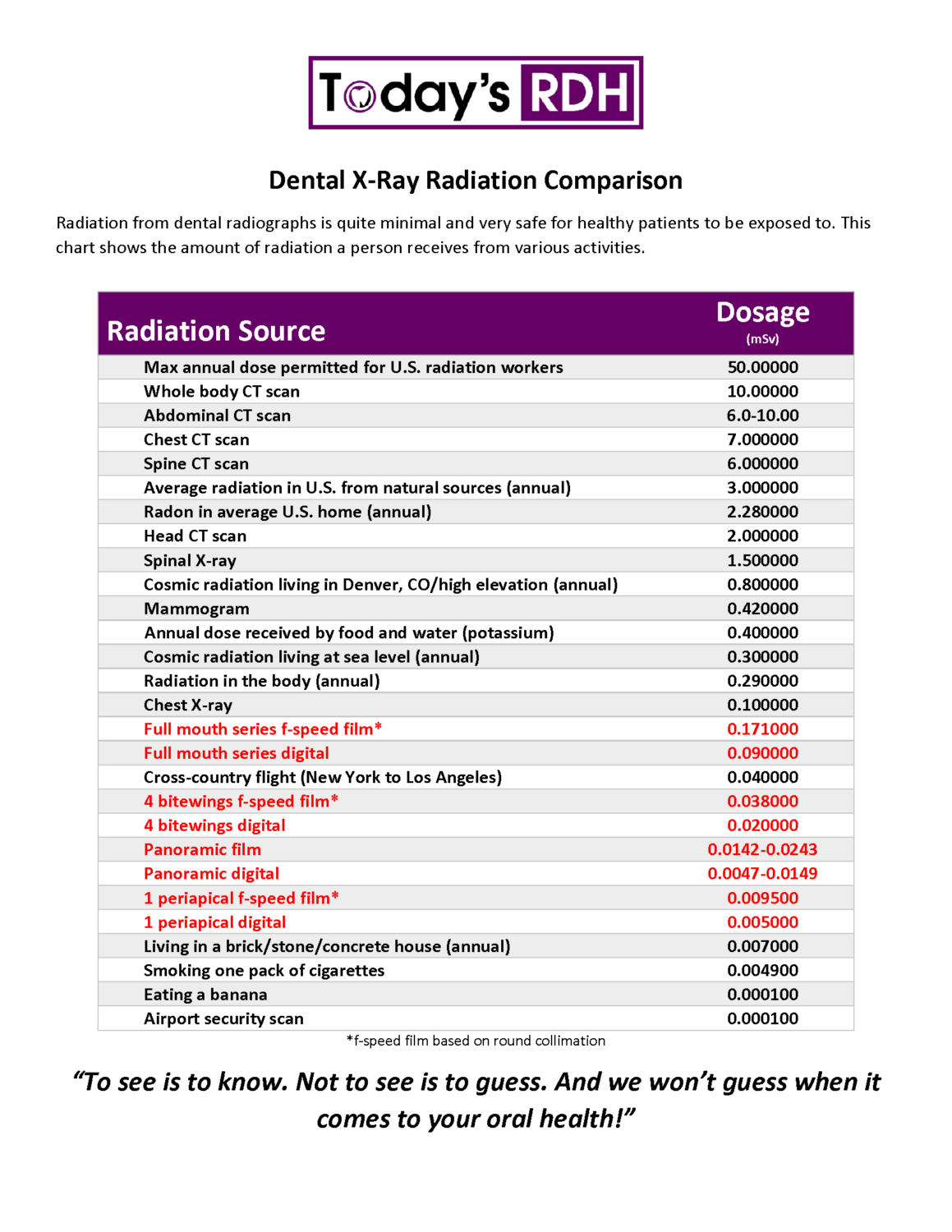
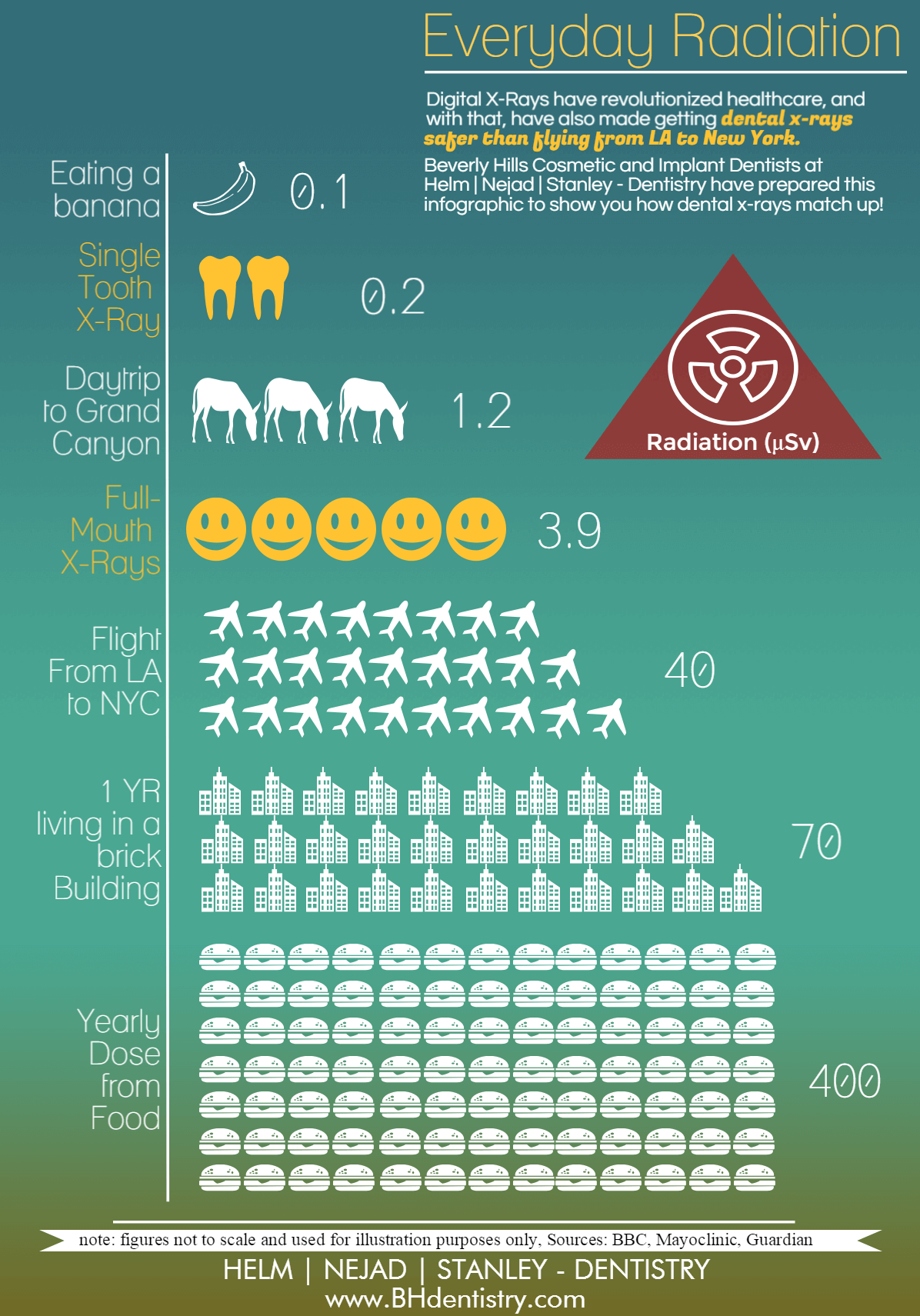
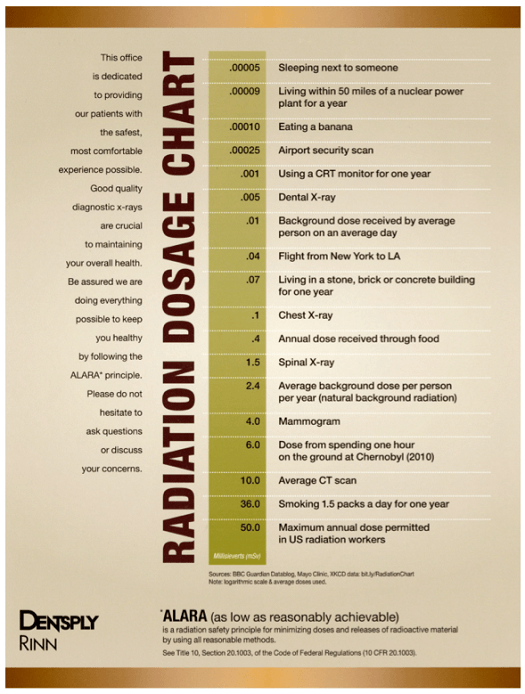
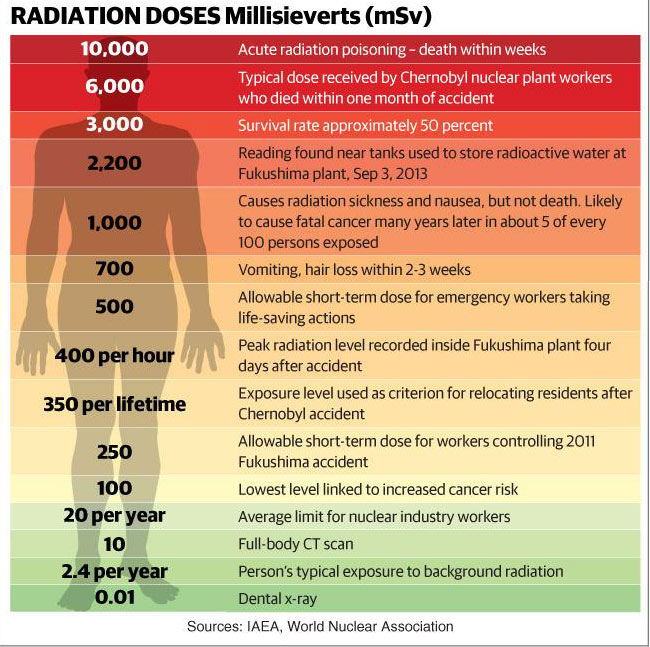
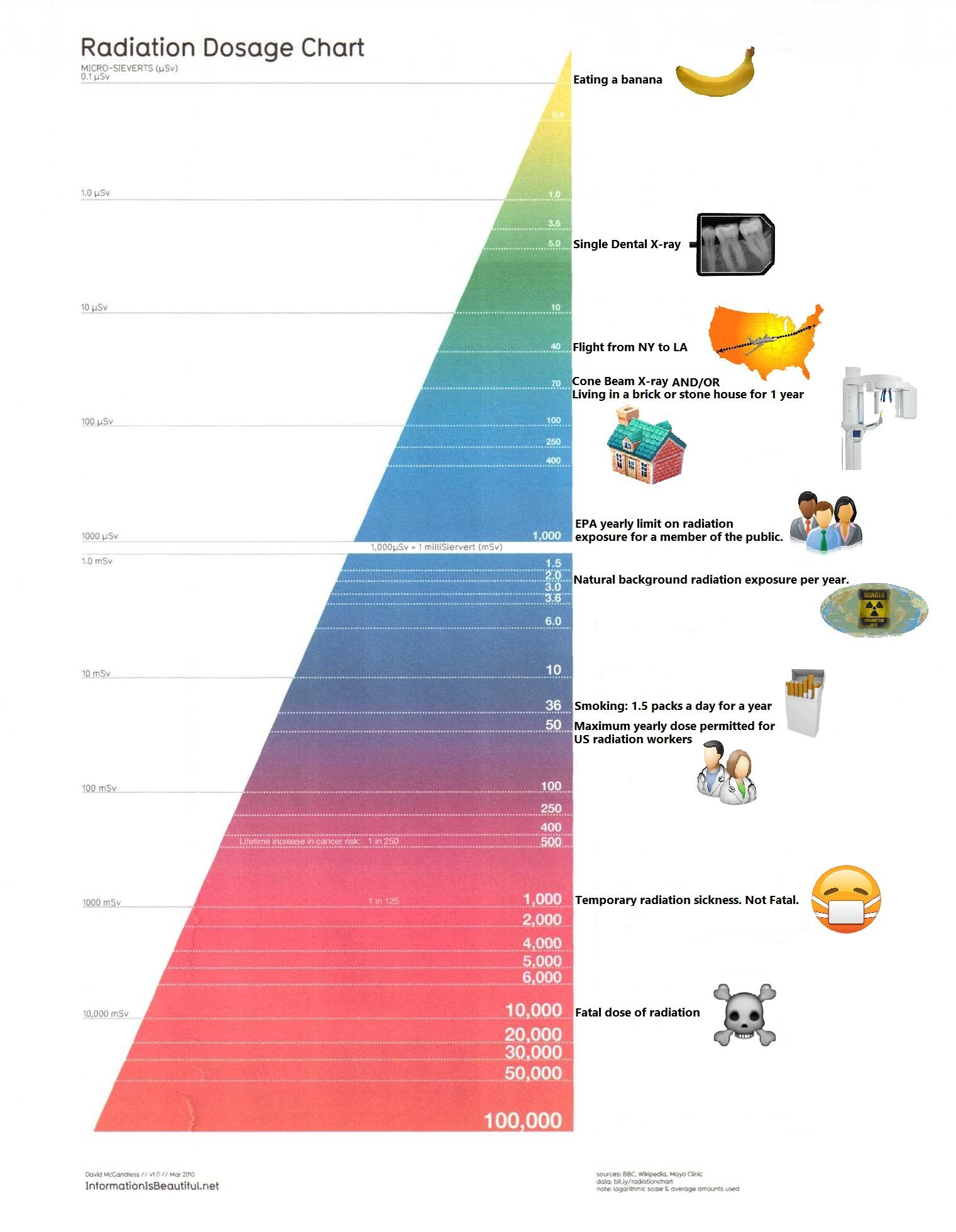
Dental X Ray Radiation Dose Chart - Radiation source dose equivalent (msv) max annual dose permitted for u.s. That’s more than 1,000 times more radiation dose to the lower back than to the mouth. Yearly cosmic radiation while living in. A lumbar spine is 2.2 msv. This chart simplifies a highly complex topic for patients’ informational use. The biggest beer gut in the world isn’t 1,000 times the width of the cheek and gums. Web here are some approximate comparisons of background radiation and effective radiation dose in adults for several radiology procedures described on this website. Unnecessary radiation exposure to patients results when films need to be retaken due to faulty radiographic or processing techniques. Web ─ caries (tooth decay) that develops between the teeth or under restorations (fillings); For occlusal radiographs, the dap was 7.43 cgy × cm 2 and the ed 2.22 µsv. This chart shows the amount of radiation a person receives from various activities. For occlusal radiographs, the dap was 7.43 cgy × cm 2 and the ed 2.22 µsv. Overall, 70.2% of all intraoral radiographs were dental, 20.3% bitewing and 9.5% occlusal radiographs. Yearly cosmic radiation while living in. Web here are some approximate comparisons of background radiation and effective radiation dose in adults for several radiology procedures described on this website. Web the revised recommendations update information on newer technologies, update the scientific literature and terminology, describe the use of radiographs when assessing various types of patients. Web because of the low radiation dose associated with dental radiographs, people who have received radiation treatment for head and neck cancer can undergo dental radiography safely. Additional yearly dose to aircrew members: In fact, head and neck radiation treatment can increase the risk of developing tooth decay, making the radiographs all the more important for these patients. Radiation source dose equivalent (msv) max annual dose permitted for u.s. Web typical effective doses are for: Dental radiographs can alert your dentist to changes in your hard and soft tissues. An expert panel presents recommendations on radiation safety, appropriate imaging practices, and reducing radiation exposure. A lumbar spine is 2.2 msv. Web the revised recommendations update information on newer technologies, update the scientific literature and terminology, describe the use of. Web here are some approximate comparisons of background radiation and effective radiation dose in adults for several radiology procedures described on this website. Radiation workers 50 whole body. Yearly cosmic radiation while living at sea level: Radiation source dosage (msv) max annual dose permitted for u.s. Dental radiographs can alert your dentist to changes in your hard and soft tissues. Web • going through an airport security scanner 80 times is the equivalent to a single day of casual radiation exposure. Web ─ caries (tooth decay) that develops between the teeth or under restorations (fillings); Airplane flight from ny to los angeles: Digital intraoral sensors require less radiation dose than traditional film to produce an image. The biggest beer gut. Web explain how radiographic imaging is necessary to diagnosis oral conditions. The biggest beer gut in the world isn’t 1,000 times the width of the cheek and gums. That’s more than 1,000 times more radiation dose to the lower back than to the mouth. Web here are some approximate comparisons of background radiation and effective radiation dose in adults for. Web here are some approximate comparisons of background radiation and effective radiation dose in adults for several radiology procedures described on this website. ─ some types of tumors. ─ diseases in the bone; Web effective dose calculations based on the revised guidelines given by the international commission on radiological protection (icrp 103). Effective dose measured in microsieverts (μsv) describes the. Overall, 70.2% of all intraoral radiographs were dental, 20.3% bitewing and 9.5% occlusal radiographs. Web typical effective doses are for: Radiation source dosage (msv) max annual dose permitted for u.s. Unnecessary radiation exposure to patients results when films need to be retaken due to faulty radiographic or processing techniques. Yearly cosmic radiation while living at sea level: Web the revised recommendations update information on newer technologies, update the scientific literature and terminology, describe the use of radiographs when assessing various types of patients. Radiation source dosage (msv) max annual dose permitted for u.s. In fact, head and neck radiation treatment can increase the risk of developing tooth decay, making the radiographs all the more important for these. Digital intraoral sensors require less radiation dose than traditional film to produce an image. Radiation workers 50.00000 whole body ct scan 10.00000 Yearly cosmic radiation while living at sea level: Effective dose measured in microsieverts (μsv) describes the effect on the body’s various tissues when exposed by radiation from various sources. Web the national council on radiation protection and measurements. ─ diseases in the bone; Effective dose measured in microsieverts (μsv) describes the effect on the body’s various tissues when exposed by radiation from various sources. That’s more than 1,000 times more radiation dose to the lower back than to the mouth. Radiation source dose equivalent (msv) max annual dose permitted for u.s. Overall, 70.2% of all intraoral radiographs were. Web in figure 1, the dose from two intraoral films is 0.002 msv. ─ diseases in the bone; This chart simplifies a highly complex topic for patients’ informational use. Web • going through an airport security scanner 80 times is the equivalent to a single day of casual radiation exposure. That’s more than 1,000 times more radiation dose to the. ─ infections that develop under your gums; Yearly cosmic radiation while living at sea level: This chart shows the amount of radiation a person receives from various activities. Web explain how radiographic imaging is necessary to diagnosis oral conditions. In fact, head and neck radiation treatment can increase the risk of developing tooth decay, making the radiographs all the more important for these patients. The actual dose can vary substantially, depending on a person’s size as well as on differences in imaging practices. Radiation workers 50.00000 whole body ct scan 10.00000 Web • going through an airport security scanner 80 times is the equivalent to a single day of casual radiation exposure. Radiation workers 50 whole body. Web for dental and bitewing radiographs, the dose area product (dap) was 2.57 cgy × cm 2 and the effective dose (ed) 0.77 µsv. Web normal daily background dose for an average person: Web here are some approximate comparisons of background radiation and effective radiation dose in adults for several radiology procedures described on this website. An expert panel presents recommendations on radiation safety, appropriate imaging practices, and reducing radiation exposure. Digital intraoral sensors require less radiation dose than traditional film to produce an image. ─ diseases in the bone; Web comparison of the total effective dose (effective dose multiplied by the number of image sets) with that from other radiation sources: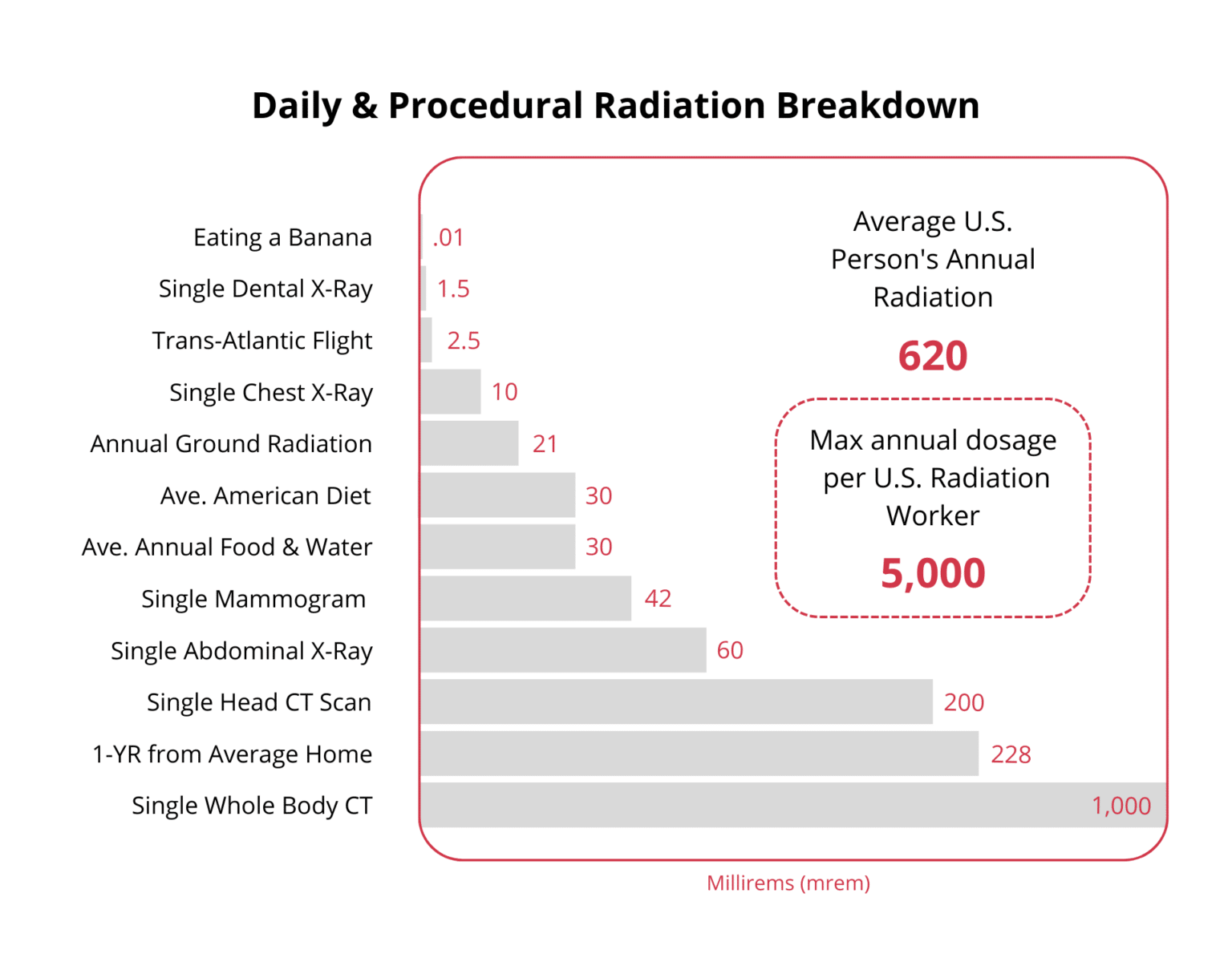
Are Dental XRays Safe? BDG
Hannon & Sandler Dentistry

Dental x ray radiation dose chart berylogin
How often should you get dental x rays? Beverly Hills Dentists
ficat grad atârna dental x ray radiation dose chart Legitim

Dental X Ray Radiation Chart

Dental Radiation Dose Chart
XRay Safety Review Wexford Orthodontics
Are Dental Xrays Safe? Plaza Dental

Radiation Dosage Chart Information Is Beautiful Dental facts
Effective Dose Measured In Microsieverts (Μsv) Describes The Effect On The Body’s Various Tissues When Exposed By Radiation From Various Sources.
Web Effective Dose Calculations Based On The Revised Guidelines Given By The International Commission On Radiological Protection (Icrp 103).
Airplane Flight From Ny To Los Angeles:
Dental Radiographs Can Alert Your Dentist To Changes In Your Hard And Soft Tissues.
Related Post: