
Jp Drain Color Chart
Jp Drain Color Chart - The drain pulls this fluid (by suction) into a bulb. In some cases the drains are removed before you are discharged from the hospital. The drain pulls this fluid (by suction) into a bulb. • clots in the tubing are normal, unless they cause you to stop draining fluid. • strip the drain tubing at least 2 times a day. Web the amount of serosanguineous fluid should decrease each day and the color of the fluid will turn light pink or light yellow. Web jackson pratt (jp) drain. Web normal wound drainage involves the serosanguineous discharge of thin, watery fluids that may be clear or contain tiny amounts of blood. It promotes healing, recover, and the reduces the chance of. Removing the fluids helps heal your incision. The drain pulls this fluid (by suction) into a bulb. Web the fluid in the jp drain will change color as the wound ages and as the amount of fluid decreases. To use one, you’ll need to regularly empty a collection. Web normal wound drainage involves the serosanguineous discharge of thin, watery fluids that may be clear or contain tiny amounts of blood. Web the following are normal with a jp drain: Your doctor may give you information on when you no. • the fluid will change colour, including red, pink, or yellow. Removing the fluids helps heal your incision. It is normal to see the drain collect red blood in the beginning. Jp drains are often placed in wounds during surgery to prevent the collection of fluid underneath the incision site. You may have drains placed during surgery. It may be brown, dark red, red, orange, pink, yellow, and clear. To use one, you’ll need to regularly empty a collection. • the fluid will change colour, including red, pink, or yellow. The drain removes blood and lymph fluid that may accumulate near the site of. Use the charts below to write down the date, time and amount (ml). Drains prevent the buildup of blood and fluid from occurring in the. It promotes healing, recover, and the reduces the chance of. Web the fluid in the jp drain will change color as the wound ages and as the amount of fluid decreases. Call your healthcare provider. Web the following are normal with a jp drain: It is normal to see the drain collect red blood in the beginning. In some cases the drains are removed before you are discharged from the hospital. Web jackson pratt (jp) drain. You may have drains placed during surgery. You may have drains placed during surgery. Web the fluid in the jp drain will change color as the wound ages and as the amount of fluid decreases. It promotes healing, recover, and the reduces the chance of. Use the charts below to write down the date, time and amount (ml). Call your healthcare provider if your drainage is 30. Your doctor is sending you home with a jp drain to speed healing of your wound. Jp drains are often placed in wounds during surgery to prevent the collection of fluid underneath the incision site. In some cases the drains are removed before you are discharged from the hospital. • the fluid will change colour, including red, pink, or yellow.. Web sanguineous is bloody, serosanguinous is blood mixed with serous drainage (more watered down bloody/ more pinkish in color) and serous drainage is. It may be brown, dark red, red, orange, pink, yellow, and clear. You may have drains placed during surgery. There are two parts to the jp drain — a. • strip the drain tubing at least 2. To use one, you’ll need to regularly empty a collection. Jp drains are often placed in wounds during surgery to prevent the collection of fluid underneath the incision site. Web the following are normal with a jp drain: There are two parts to the jp drain — a. Change bandages at the jp drain site every day, or as needed,. Web jackson pratt (jp) drain. To use one, you’ll need to regularly empty a collection. Web the fluid in the jp drain will change color as the wound ages and as the amount of fluid decreases. The drain pulls this fluid (by suction) into a bulb. It may be brown, dark red, red, orange, pink, yellow, and clear. Call your healthcare provider if your drainage is 30 milliliters (ml) or. • the fluid will change colour, including red, pink, or yellow. It promotes healing, recover, and the reduces the chance of. Web the following are normal with a jp drain: Jp drains are often placed in wounds during surgery to prevent the collection of fluid underneath the incision. To use one, you’ll need to regularly empty a collection. You may have drains placed during surgery. In some cases the drains are removed before you are discharged from the hospital. There are two parts to the jp drain — a. Your surgeon will usually remove the bulb. Use the charts below to write down the date, time and amount (ml). The drain pulls this fluid (by suction) into a bulb. Your doctor may give you information on when you no. To use one, you’ll need to regularly empty a collection. The drain pulls this fluid (by suction) into a bulb. • strip the drain tubing at least 2 times a day. Web jackson pratt (jp) drain. Web normal wound drainage involves the serosanguineous discharge of thin, watery fluids that may be clear or contain tiny amounts of blood. • the fluid will change colour, including red, pink, or yellow. Web the fluid in the jp drain will change color as the wound ages and as the amount of fluid decreases. Web • it is normal for drainage color to change. There are two parts to the jp drain — a. The drain removes blood and lymph fluid that may accumulate near the site of. Web sanguineous is bloody, serosanguinous is blood mixed with serous drainage (more watered down bloody/ more pinkish in color) and serous drainage is. Drains prevent the buildup of blood and fluid from occurring in the. It may be brown, dark red, red, orange, pink, yellow, and clear.
Drenaje JP (Jackson Pratt) Enfermagem Ilustrada

Mastectomy Drain Fluid Color Chart
-001.jpg)
Jp Drain Color Chart

Jp Drain Output Color Best Drain Photos
Jp Drain Output Color Best Drain Photos
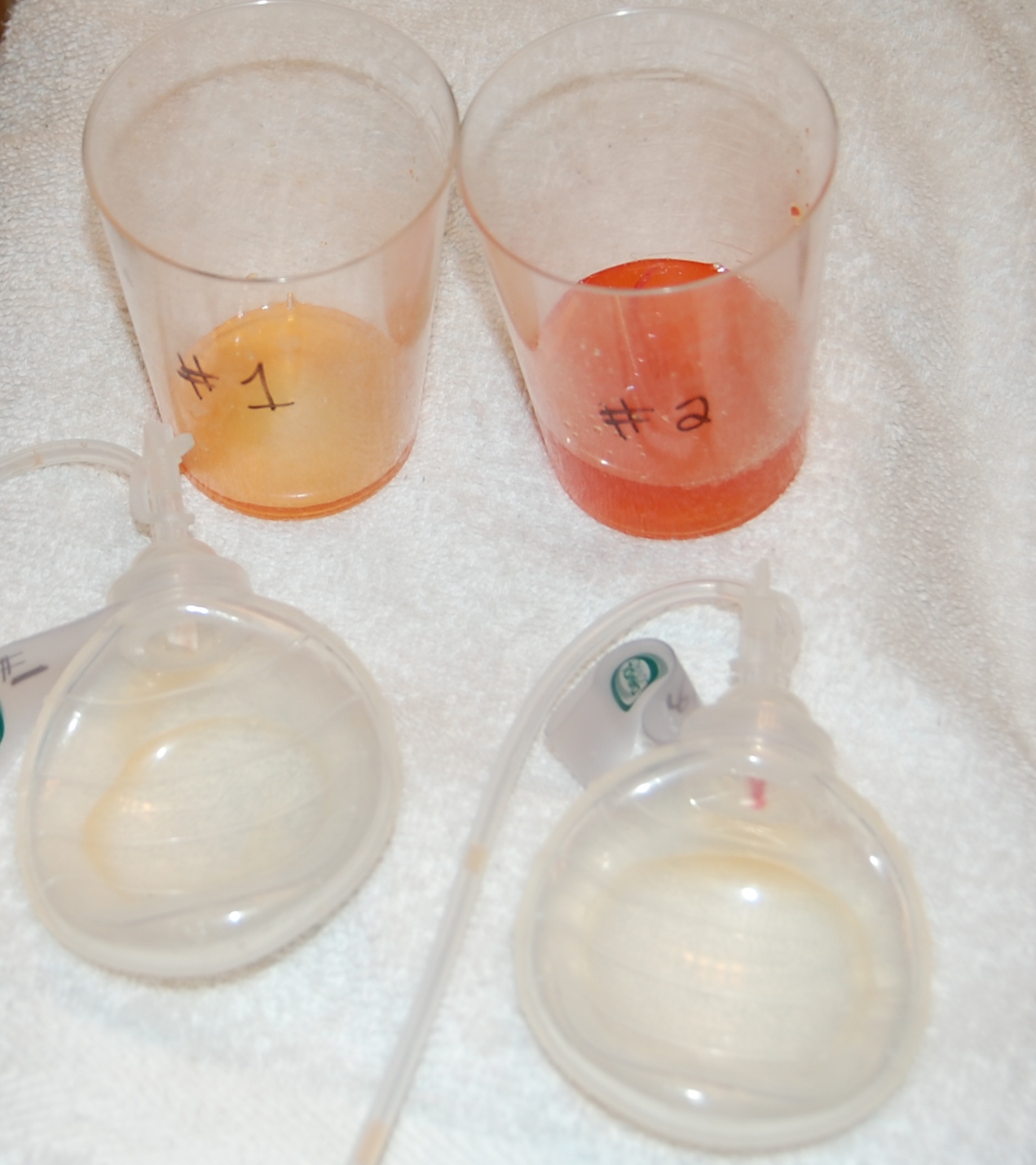
Surgical Drain Fluid Jp Drain Color Chart

Placement & Management JacksonPratt Closed Active Suction Drain
Jp Drain Fluid Color Chart

Wound Care Classes For Rn Near Me Edukasi News
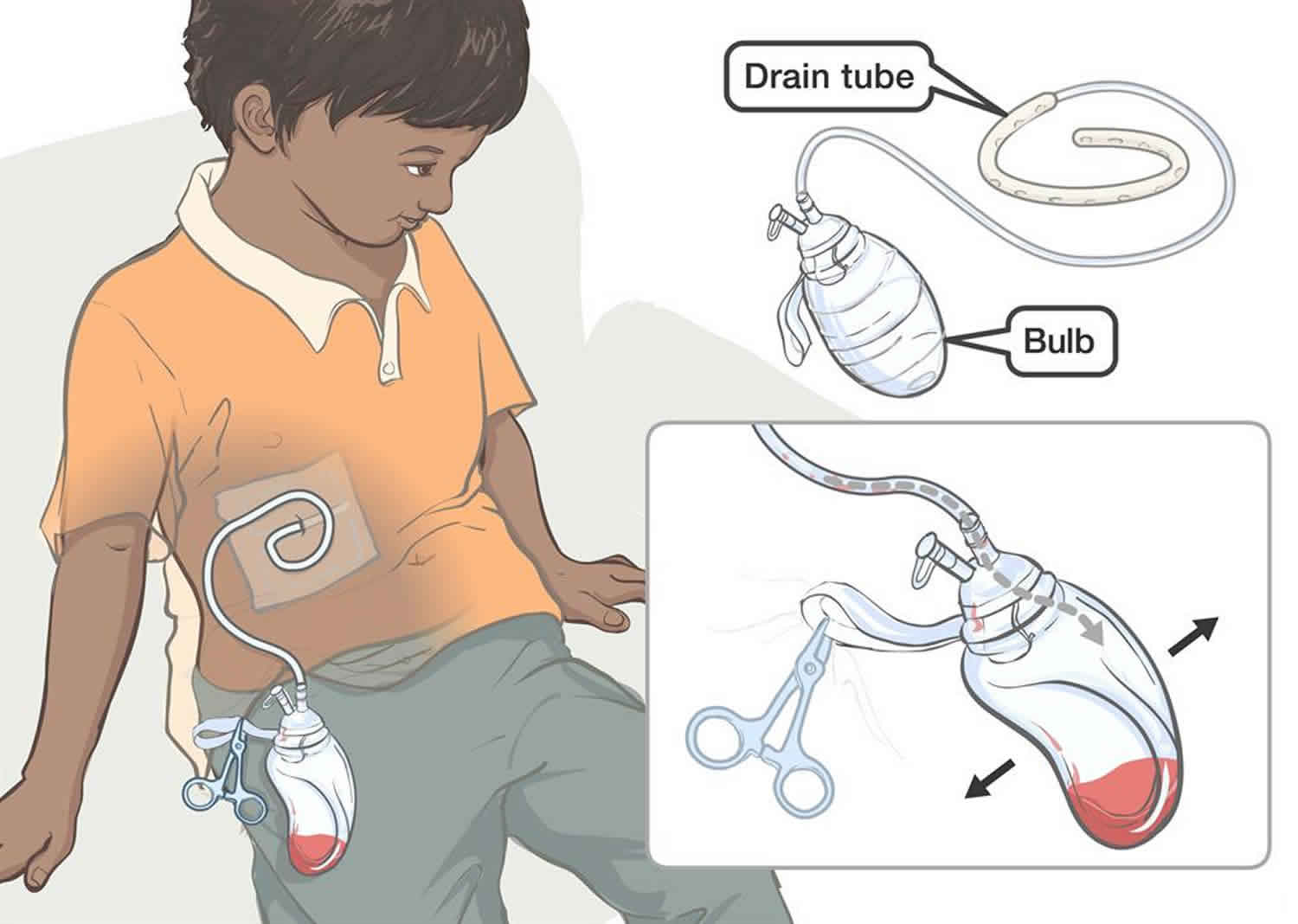
Jackson Pratt Drainage Chart
In Some Cases The Drains Are Removed Before You Are Discharged From The Hospital.
Removing The Fluids Helps Heal Your Incision.
Jp Drains Are Often Placed In Wounds During Surgery To Prevent The Collection Of Fluid Underneath The Incision Site.
In Some Cases The Drains Are Removed Before You Are Discharged From The Hospital.
Related Post: