Latin Participles Chart
Latin Participles Chart - Web participles are adjectives, created from verbs. Web latin has only four participles (present active, perfect passive, future active, future passive). Theoretically there are six possible participles, but in actuality latin is missing two of them. The present active, the future active; (3rd decl.endings) “_______ing” [action going on at the same time as that of the main verb] (temporal) while/on. Web i mentioned up above that latin participles have tense and voice just as verbs do. Web in english, participles are often compounds of verbal stems and auxiliary verbs: Pronunciation » parts of speech. The participles are used as follows. Web there are four important rules to remember in chapter 23: Adverbs » prepositions » conjunctions. Web there are four important rules to remember in chapter 23: The source is on github. Having been seen, having looked, etc. (1) latin has four participles: Web participles are adjectives, created from verbs. This means that there are several kinds of participles. Web latin from scratch #19.38: In the sentence below, note how hauriēns has an. The following chart summarizes the existing latin participles. This means that it agrees with the noun it modifies in number, case. Web participles in latin have a tense (present, perfect, or future) and a voice (active or passive). Exercise i (chapters 1 & 2) exercise ii (chapters 3 & 4) exercise iii (chapters 5 & 6) exercise v (chapters 9 & 10) Web there are four important rules. Web there are four important rules to remember in chapter 23: Web participle, infinitive, verb tense summary charts. This chart is great to use when teaching the latin participles. A participle is formed from a verb but looks and behaves like an adjective. It lacks the two others which would fill out the system (present passive, perfect active). (3rd decl.endings) “_______ing” [action going on at the same time as that of the main verb] (temporal) while/on. A perfect participle refers to action prior to that of the main verb. This means that there are several kinds of participles. Exercise i (chapters 1 & 2) exercise ii (chapters 3 & 4) exercise iii (chapters 5 & 6) exercise v. Web latin has only four participles (present active, perfect passive, future active, future passive). Having the students make their own chart helps kinesthetic learners engage. It can even be used for assessment. Present active, perfect passive, future active and future passive. Web this latin verb conjugation chart helps students easily learn and identify all latin verb endings for regular latin. This means that there are several kinds of participles. They have the form and function of adjectives but are considered to be a part of the verb from which they come. You know that the latin participles have number, gender, and case, all of which it must have because of its adjectival character. Theoretically there are six possible participles, but. Click here for more information on participles from deponent verbs. The perfect passive and the future passive. A perfect participle refers to action prior to that of the main verb. Web participles indirect speech & infinitives the gerund and gerundive the periphrastics the supine ut clauses cum clauses common contractions correlatives numbers. It lacks the two others which would fill. Web there are four important rules to remember in chapter 23: Web participle, infinitive, verb tense summary charts. Of the existing tenses and voices, there are only four combinations for participles in latin, two of which you’ve already met! Study the chart below and observe the patterns. Having the students make their own chart helps kinesthetic learners engage. Web the three types of participles in latin are present active participles, perfect passive participles, future active participles, and future participles (can be either active or passive). Web these present participles from deponents are active in form and active in meaning. The present active, the future active; You know that the latin participles have number, gender, and case, all of. They also are translated only in the active voice. Web four verbs in latin have active forms in the first two principal parts, but deponent forms in the third principal part (i.e., the perfect tense). Inflection » noun declensions » adjective declensions » numerals » pronouns » conjugations » particles. Having the students make their own chart helps kinesthetic learners. This chart is great to use when teaching the latin participles. Pronunciation » parts of speech. Exercise i (chapters 1 & 2) exercise ii (chapters 3 & 4) exercise iii (chapters 5 & 6) exercise v (chapters 9 & 10) Participles do not have a person, number, or mood, and there are no imperfect, pluperfect, or future perfect participles. (3rd. Web participle, infinitive, verb tense summary charts. Web i mentioned up above that latin participles have tense and voice just as verbs do. Web there are four important rules to remember in chapter 23: Web participles indirect speech & infinitives the gerund and gerundive the periphrastics the supine ut clauses cum clauses common contractions correlatives numbers. The present active, the future active; Chapters discussing the formation and uses of the participle. Web this latin verb conjugation chart helps students easily learn and identify all latin verb endings for regular latin verbs. Present active, perfect passive, future active and future passive. Web these present participles from deponents are active in form and active in meaning. They have the form and function of adjectives but are considered to be a part of the verb from which they come. This means that it agrees with the noun it modifies in number, case. A perfect participle refers to action prior to that of the main verb. Web participles are adjectives, created from verbs. Participles in latin agree with the gender, number, and case of. You know that the latin participles have number, gender, and case, all of which it must have because of its adjectival character. (3rd decl.endings) “_______ing” [action going on at the same time as that of the main verb] (temporal) while/on.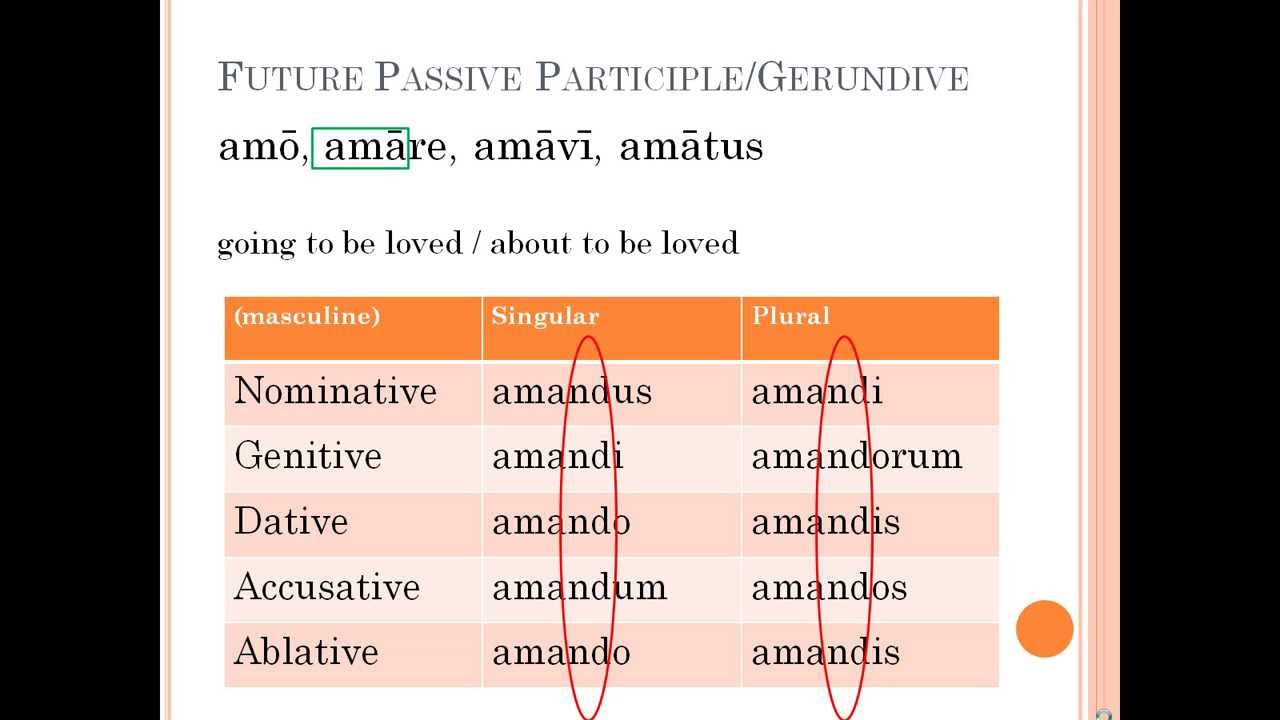
Latin Participles Worksheet
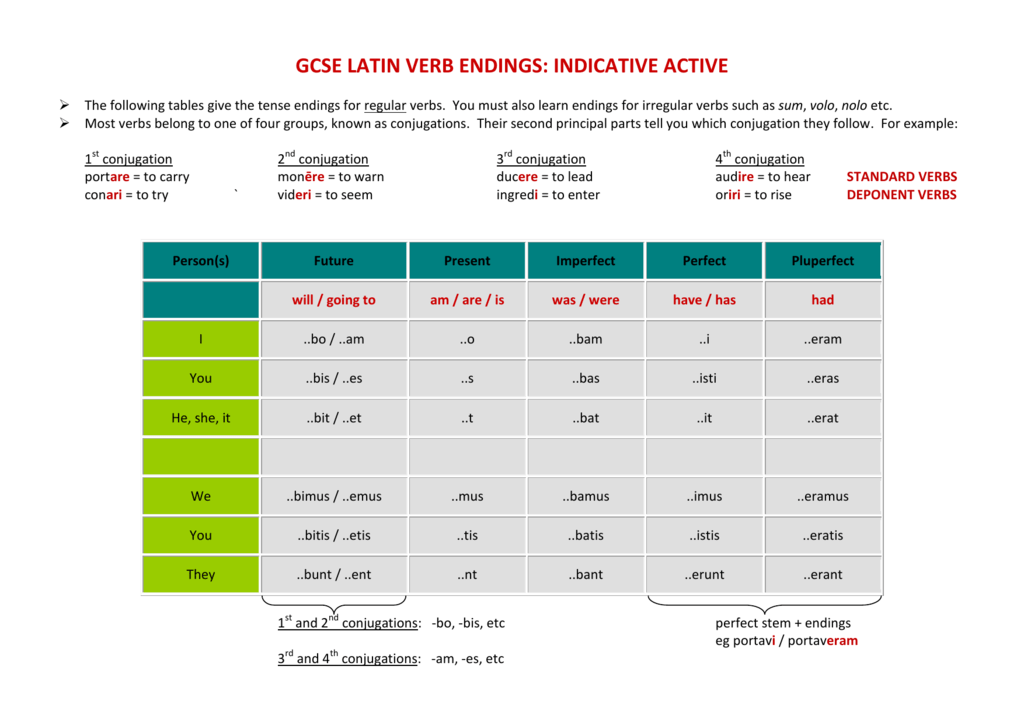
gcse latin verb endings
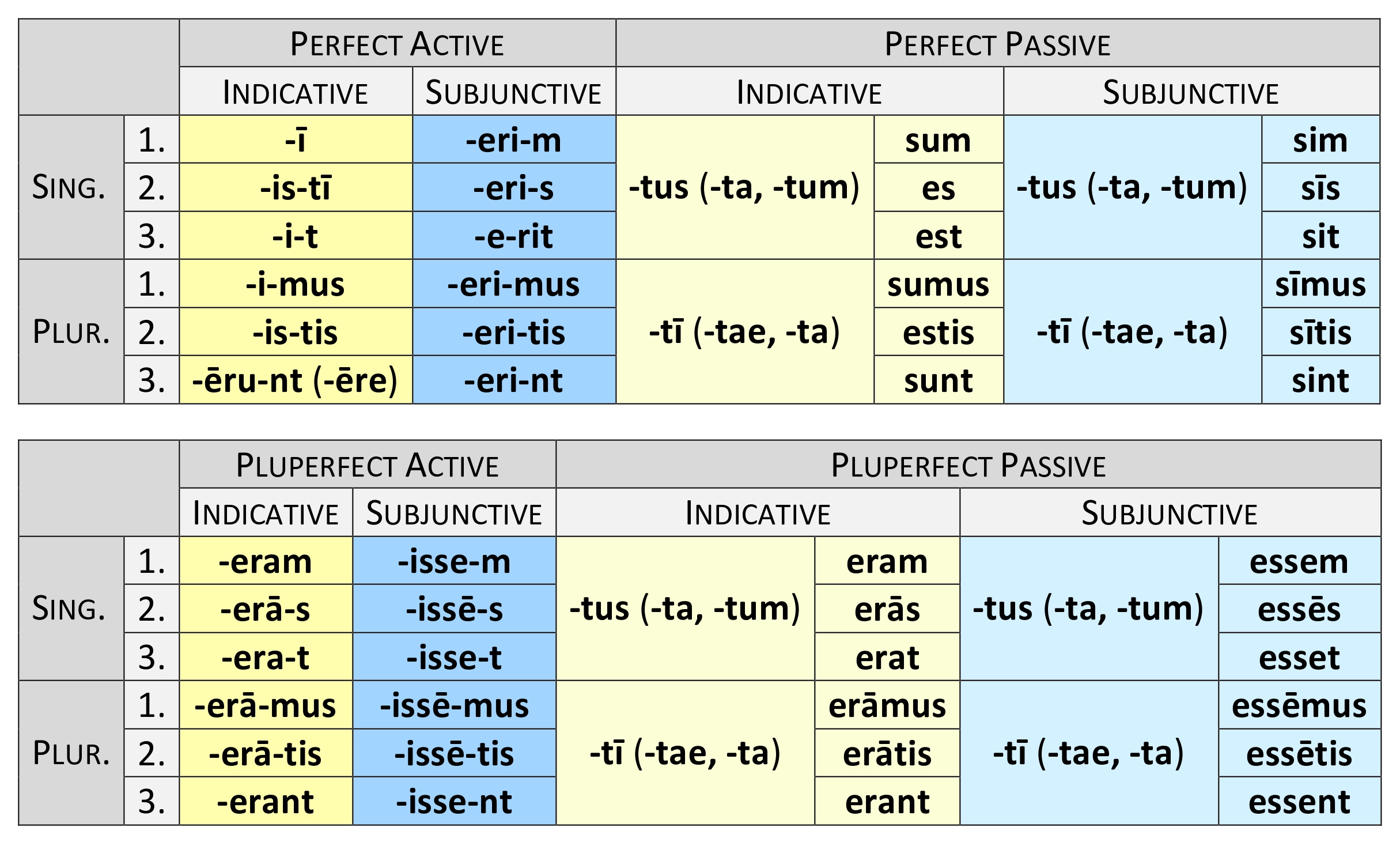
New Latin Grammar
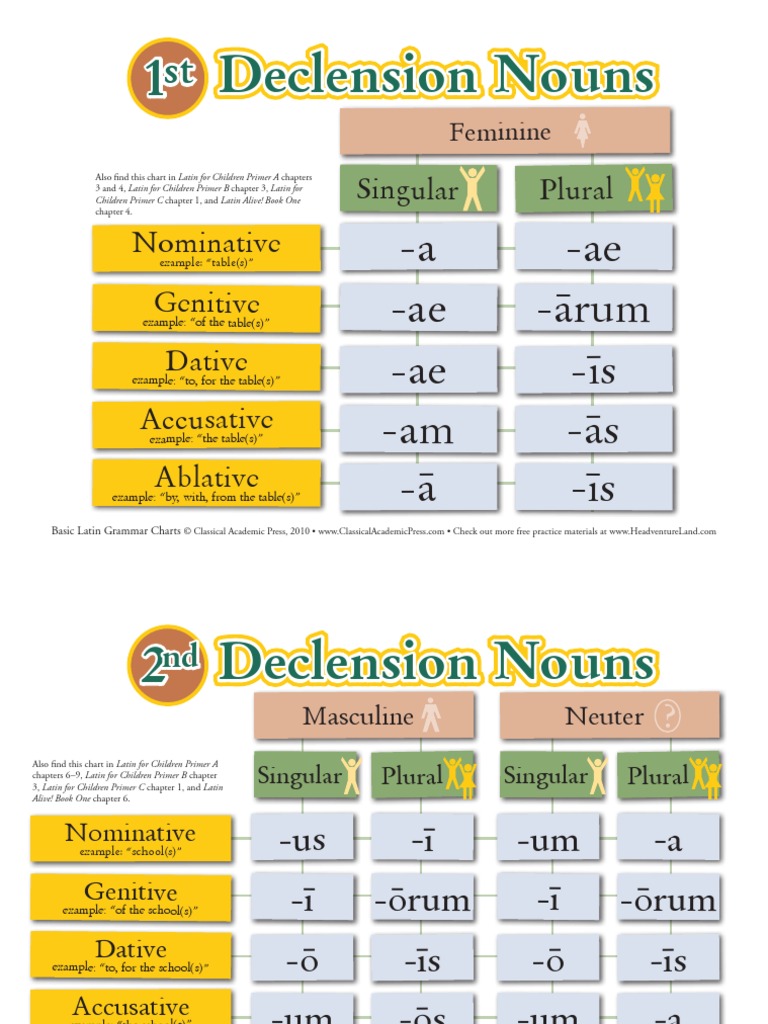
Basic Latin Charts Grammatical Gender Latin

lectis Latin D

Latin Verb Conjugations Chart Five J's Homeschool Latin language
Colorcoded chart 4 Infinitives/Participles/Gerund etc. Latin D

Latin Participles Worksheet

A Book of Latin Verb Tables — Legonium

Product Slideshow Latin grammar, Latin language learning, Teaching latin
Web Participles In Latin Have A Tense (Present, Perfect, Or Future) And A Voice (Active Or Passive).
A Participle Is Formed From A Verb But Looks And Behaves Like An Adjective.
The Perfect Passive And The Future Passive.
(For Its Inflection, See Egēns, § 118.) B.
Related Post: